


-
A Taste of Jane Austen’s World on her 250th Anniversary
Posted on November 8, 2025 by WRS News in Food, Recipes, Regency.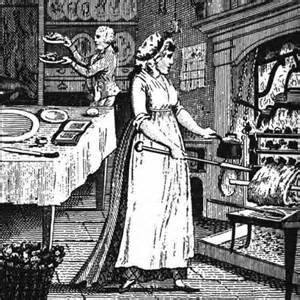 Baking in the Regency Era: As we celebrate the 250th anniversary of Jane Austen’s birth, it’s the perfect time to explore the flavors and traditions of the Regency kitchen—where elegance met simplicity, and baking was both a domestic art and a social delight.
The Heart of the Regency Kitchen
In Jane Austen’s time (circa 1795–1830), baking was a cornerstone of household life. Recipes were handwritten, ovens were wood-fired, and ingredients were measured by intuition rather than precision. The kitchen was often overseen by servants in wealthier homes, but women of all classes took pride in their baking skills, especially when preparing treats for tea or social gatherings.
Popular baked goods and recipes included:
- Queen Cakes – Small, individual sponge cakes flavored with rosewater and almonds, often studded with currants.
- Seed Cakes – Flavored with caraway seeds, these were dense and hearty, perfect for afternoon tea.
- Plum Cake – A rich fruit cake served at celebrations, sometimes soaked in brandy.
- Gingerbread – A spiced treat that varied from soft cakes to crisp biscuits.
- Mushroom & Herb – Savory Tart served at luncheons or supper parties
For the next five weeks, starting 11/15, I will share some of the recipes from the above plus one savory recipe.
Teatime and Social Rituals
Afternoon tea was a cherished ritual, especially among the gentry. Jane Austen herself likely enjoyed tea with baked delicacies served on fine china. These gatherings were more than refreshment—they were opportunities for conversation, courtship, and displaying one’s domestic finesse.
Rosewater and almond were common flavorings, lingering from medieval traditions. Spices like mace, nutmeg, and cinnamon added warmth and sophistication to simple recipes.
Baking Without Modern Tools
Regency bakers worked without electric mixers or temperature-controlled ovens. Instead:
- Ovens were heated with wood or coal, and cooks tested temperature by placing a hand inside or observing how quickly flour browned.
- Ingredients were seasonal and local, with flour often sifted by hand and butter churned at home.
- Recipes were passed down orally or recorded in household books, with vague instructions like “a handful of sugar” or “bake until done.”
Honoring Austen Through Food
In 2025, Austen enthusiasts are commemorating her 250th anniversary with themed events, including Regency-style tea parties and baking workshops. These celebrations revive the flavors of her era and offer a sensory connection to the world she so vividly portrayed.
Whether you’re baking Queen Cakes for a Jane Austen book club or hosting a Regency-inspired afternoon tea, these recipes invite you to step into her world—where wit, manners, and a well-set table reigned supreme.
– Tara (WRS Board Member)


